Celebrities
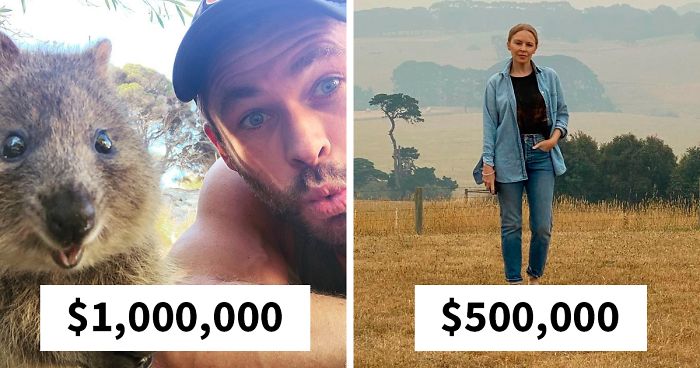
Some of the biggest stakeholders in the Australian wildfire deforestation are celebrities. During the peak of the fires, celebrities took to social media to share what was happening in Australia. Some celebrities created petitions and shared their views on the crisis. By doing this, they made their fans and followers more aware of what was happening in Australia. This helped increase awareness and raise more money through their fans and followers. Celebrities also donated millions of dollars to help the restoration efforts. Some celebrities may have spoken out due to their views or beliefs. Other celebrities may have spoken out to keep a philanthropic reputation. No matter their motivation to speak out, celebrities have benefitted from doing so. The biggest way celebrities helped the situation was by making others aware. They have a large and influenceable audience. When celebrities spoke out about the issues, more people started to listen and care. Celebrities had a large positive influence on the wildfire deforestation in Australia.
Government
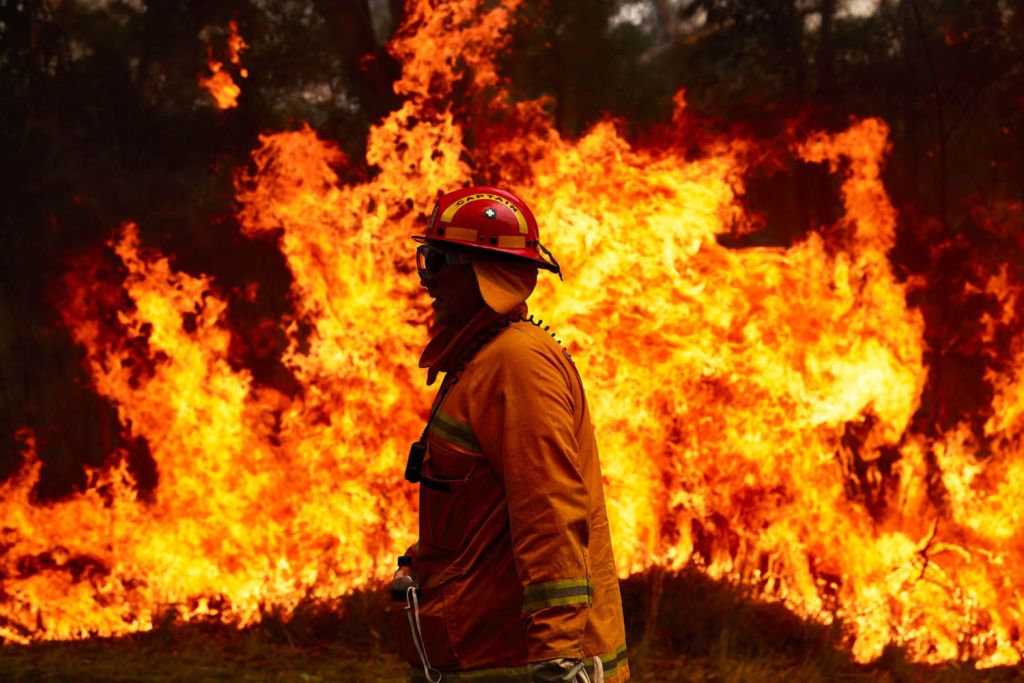
One of the biggest stakeholders in the Australian wildfire deforestation was the Australian government. The government had one of the biggest influences during the crisis through their ability to make laws. The Australian government was proactive and reactive regarding the deforestation. There were laws and restrictions in place before the wildfire deforestation took place. For example, the Australian government put restrictions on logging, which is bad for trees and forests. Another example of how the Australian government has been proactive is by planting new trees. The government has been reactive, but they have also been proactive. When the wildfire deforestation first started, they deployed firefighters to try and slow the spread of the fires. The Australian government is negatively influence by the fires. They are forced to give money to the deforestation efforts and could face criticism if the forests do not recover. Overall, the government has helped the deforestation efforts.
https://e360.yale.edu/features/long-shaped-by-fire-australia-enters-a-perilous-new-era
Citizens
There are numerous different ways that we see citizens being stakeholders in Australian wildlife conservation. For starters, I want to mention farmers and how extinction, in a way, affects their business. A large issue in Australia are invasive species and the threat they pose to agriculture. In order for farmers to eliminate invasive species, it would cost approximately $13.6 billion dollars which is not something that many can afford(Wight 2018). With that being said in order for them to protect endemic species in the process would cost double that. Likewise, other citizens are also stakeholders because they obviously do not want to see the flora and fauna of the area be diminished because of things like wildfires or deforestation. With that being said there have been numerous protests by civilians following the massive wildfires in Australia because it is destroying the diverse and unique ecosystem, but the government didn’t seem to be working fast enough to stop them. People who live on the continent are seeking to preserve the land as well as decrease extinction rates because once many of the species they have grown to love die off, they will never see them again which fuels a bit of panic in the hearts of people who want to see the physical environment thrive.
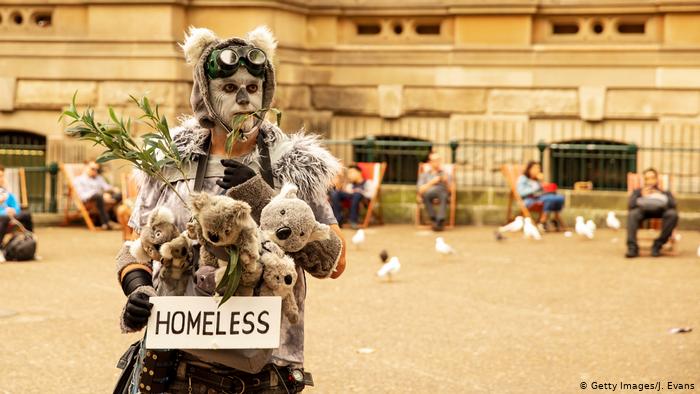
Image taken from ‘Australia: Sydney protests as fires trigger health risks’; https://www.dw.com/en/australia-sydney-protests-as-fires-trigger-health-risks/a-51617414
Wildlife Reserves
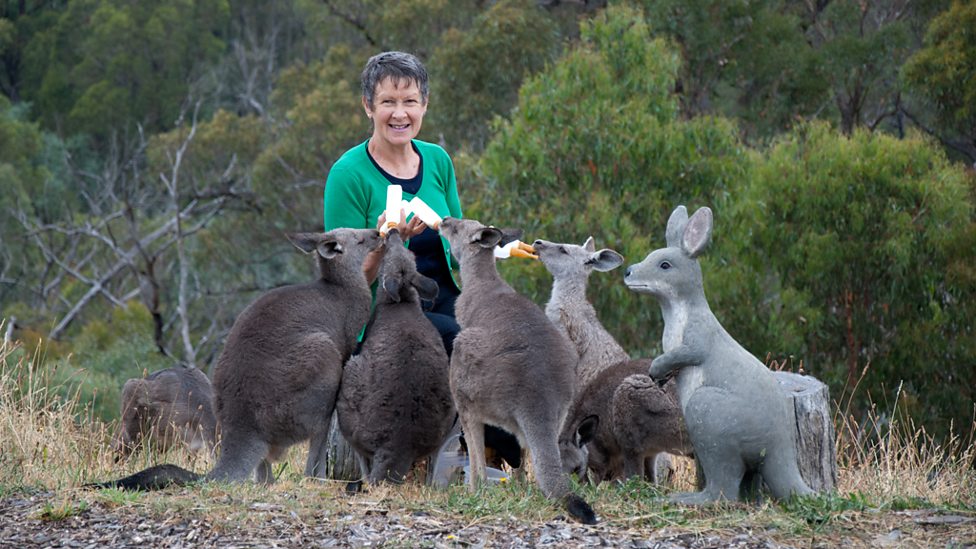
Wildlife Reserves are a very obvious stakeholder in the extinction of Australian species, but it is one that should be mentioned nonetheless. These organizations are in place in attempt to decrease the rate at which species are going extinct. On one side, we see that as the endangered species list increases, organizations are going to most likely need more funding in order to stay afloat. Especially after the wildfires, reserves are struggling to find the resources needed to rebuild sanctuaries. On the other side of sanctuaries, they are seen as stakeholders because, as bad as this sounds, the existence of endangered species creates jobs for a lot of people. In all reality, endangered species have become as good as gold. Wildlife reserves are forced to keep close watch on their animals because poaching of endangered species is a real issue in the world. Animals are put into reserves and sanctuaries in order to minimize the likelihood of extinction but in some cases, it just turns them into sitting ducks waiting to be hunted which is why wildlife reserves are such a large stakeholder. These organizations are trying to find new ways to improve the world in terms of the flora and fauna within it.
 Extinction in Australia